
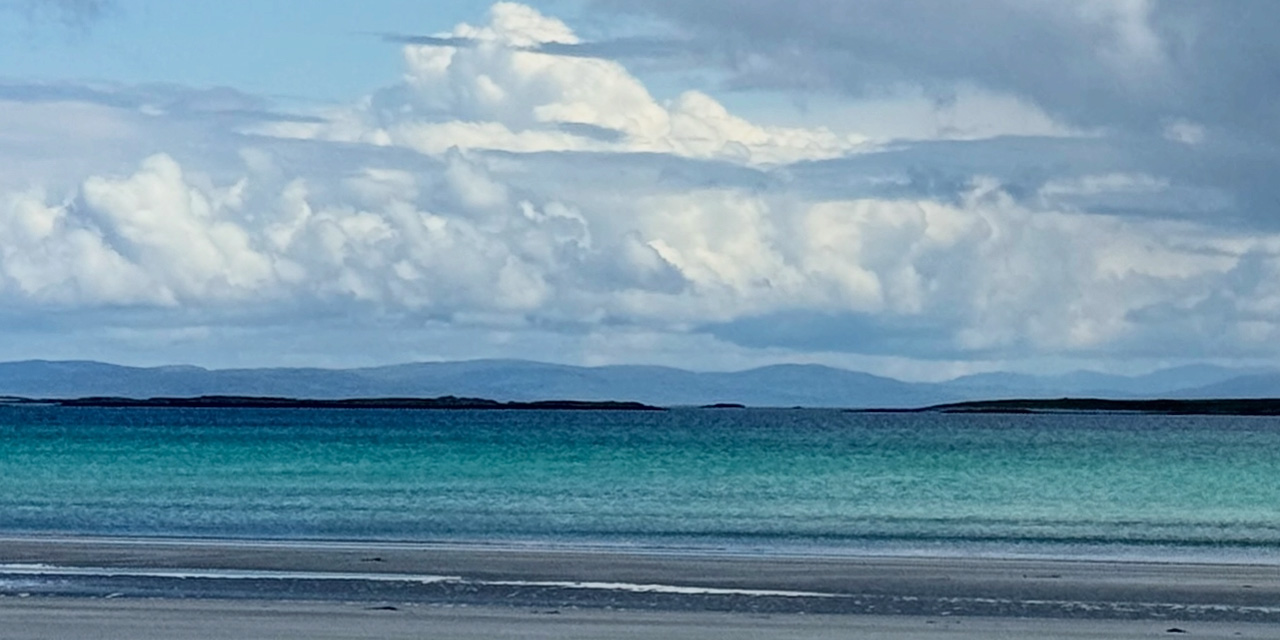
Programme announced for Sea Change Film Festival 2026
We are excited to share the full programme for the 8th annual Sea Change Film Festival – Scotland’s only annual film festival celebrating female filmmaking talent.
Screening films made by female and non-binary directors, Sea Change 2026 takes place from the 18th to 20th September on the Isle of Tiree (over 80 miles away from the nearest permanent cinema).
Sea Change 2026 will open on Friday 18th September with a special preview screening of the major new Scottish period drama The Education of Jane Cumming, ahead of its 2027 cinema release. Starring Fiona Shaw, Clare Dunne and Flora Nicholson and shot on location in Edinburgh, the film follows two teachers whose lives are thrown into turmoil after one of their pupils accuses them of having a love affair. Inspired by true events in the early 1800s, the film is a powerful and timely drama about prejudice, resilience and the courage to stand up for the truth.
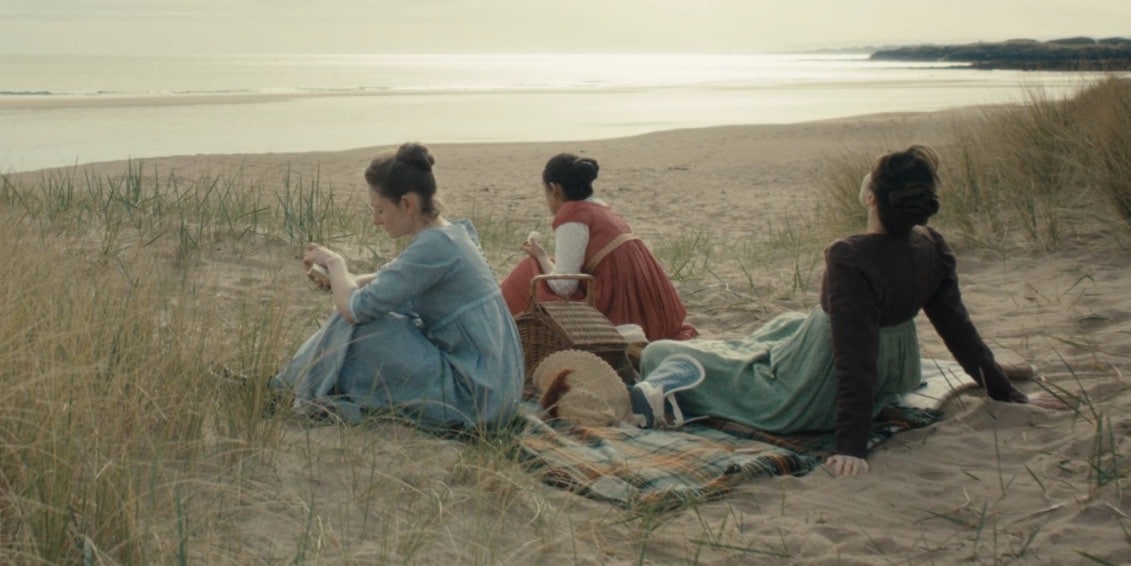
The festival will then close on Sunday 20th September with award-winning documentarian Jeanie Finlay introducing her new feature All Rivers Spill Their Stories into the Sea, a wry David and Goliath story about navigating grief and finding power in a Teeside fishing community. Stan Rennie is the last of a long line of fishermen who have worked the same stretch of coastline for centuries. Tiree holds a special place in Finlay’s heart, with a key scene in the film being shot there.
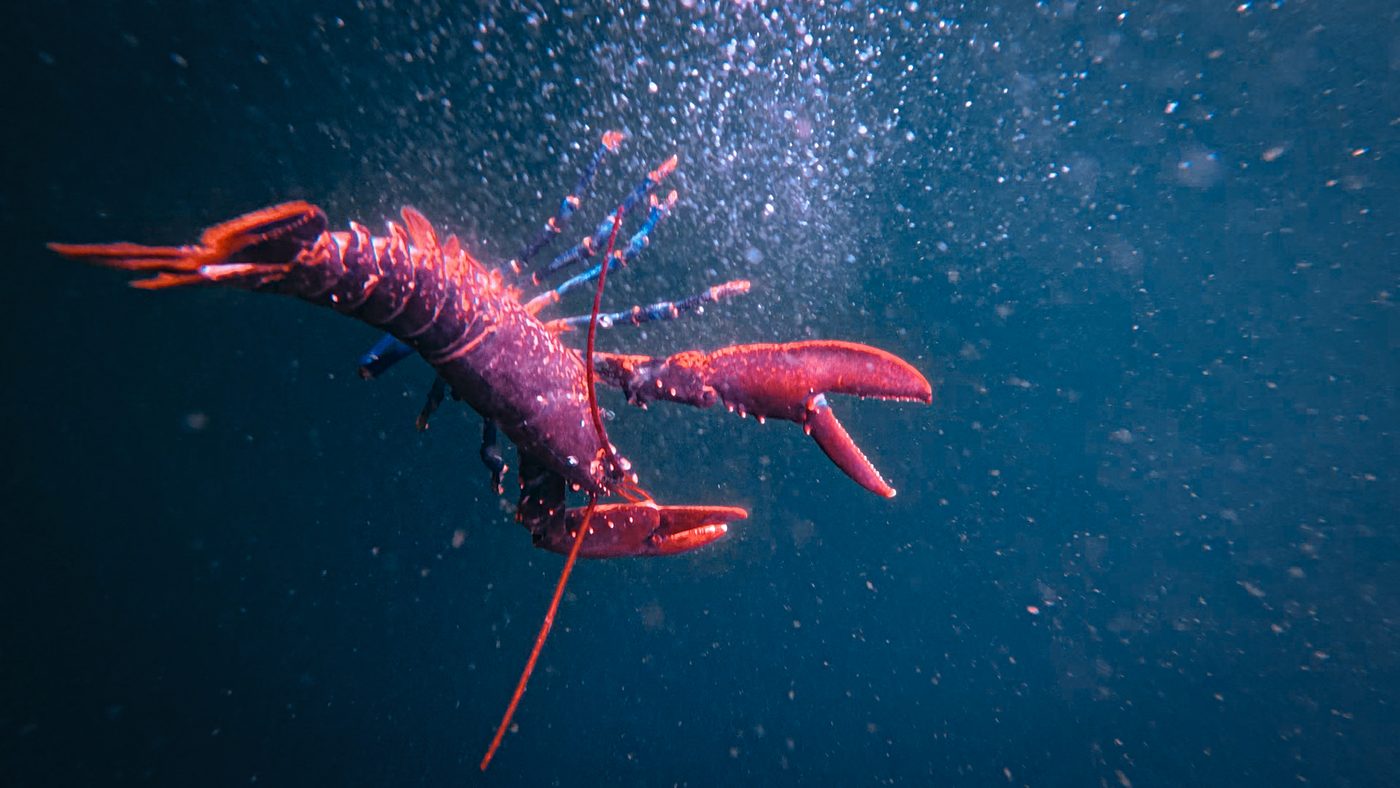
Sea Change 2026 will celebrate female animators – from the 1920s to the 2020s – with a host of Scottish and international films. The 100th anniversary of pioneering animator Lotte Reineger’s The Adventures of Prince Achmed – the oldest surviving animated feature film in the world – will be celebrated with a special event from The Cabinet of Living Cinema. Enchanted Creatures & How to Become One celebrates Reineger’s exquisite hand-crafted silhouette animation, with flying horses, dancing insects and enchanted islands brought to life through live music and sound effect making. Using hands, voices and instruments — including Indian gopichand, homemade thumb piano, Tibetan chime, ocarina, bird whistle and tongue drum, alongside a 5-string electric viola — the audience will help create a live, collaborative soundtrack, as cinema becomes something you can hear, feel and play.

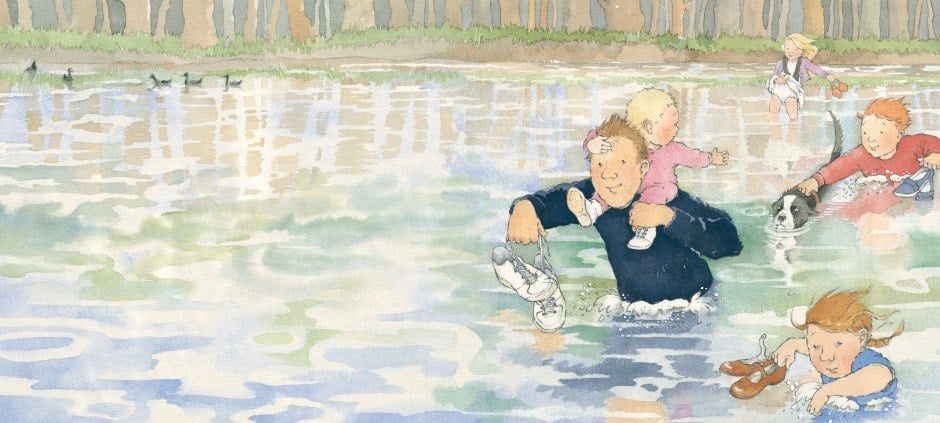
Contemporary female animation talent includes Spanish filmmaker Isabel Herguera’s Sultana’s Dream, inspired by a feminist sci-fi short story written in Bengal in 1905; a showcase of animated shorts by female and genderqueer artists from Austria’s Tricky Women animation festival; a double-bill of animation (including the BAFTA-winning Poles Apart) from Mexican-British filmmaker Paloma Baeza, who will be in attendance at the festival and Camilla Deakin, producer from the Emmy Award-winning Lupus Films, visiting Tiree for a family-friendly screening of the beloved We’re Going On A Bear Hunt.
Other big screen highlights across the packed three days include a special preview screening of Lou Lockwood’s documentary Bel, a sensitive portrait of Kenyan-Scottish musician, singer and songwriter, Beldina Odenyo; Eleanor Mortimore’s deep sea doc How Deep Is Your Love, following a group of deep-sea scientists as they set out to study and collect specimens from one of the least explored parts of the planet and Sarah Friedland’s Venice Award-winning debut Familiar Touch, a coming-of-old-age drama following an older woman’s transition into assisted living. Sea Change will team up with Scotland’s Catalan Film Festival to welcome renowned Catalan director Judith Colell – currently President of the Catalan Film Society- to introduce special screenings of her acclaimed new feature Frontera/ Frontier in Glasgow, Edinburgh and Tiree. Set in 1943, Frontera tells the little-known story of a group of Pyrenees villagers who defied the rules of Franco’s regime to save hundreds of refugees arriving from France.
In an international island collaboration between Tiree and Cuba, Scottish filmmaker and festival director of Havana Glasgow Film Festival Eirene Houston will visit to screen her new feature documentary Life Is Dance. Following six ordinary Cubans with one thing in common – their love of dance – this is a story full of colour and music, disappointment and joy.
Away from the big screen, Sea Change festival invites its audience to fully embrace its unique island home with a treasure-trove of memorable experiences, including singer Dolina Munroe teaching how to serenade the seals with a traditional Gaelic ballad on Vaul beach and an underwater sketching and snorkelling session with animator Viola Madau, using specially designed waterproof sketchpads. Wild Bathing Oban will host daily guided swim sessions in Tiree’s clear warm waters, Skye Swift and Bella Bremner will run yoga and pilates on the beach, Tiree’s Ranger Hayley will lead an exploration of local rockpools and there’s a chance to experience the island’s new Hygge Nordic sauna and refresh with Tiree Tea and Hebridean Roast coffee in the community-run cafe.
Alongside the public festival, the Sea Change Development Lab – for women and non-binary people at any stage in their film and screen industries career – will return from 15th to 18th September, with a focus on “connection, collaboration, community, and change”.
Inteview: Sea Change Director, Jen Skinner
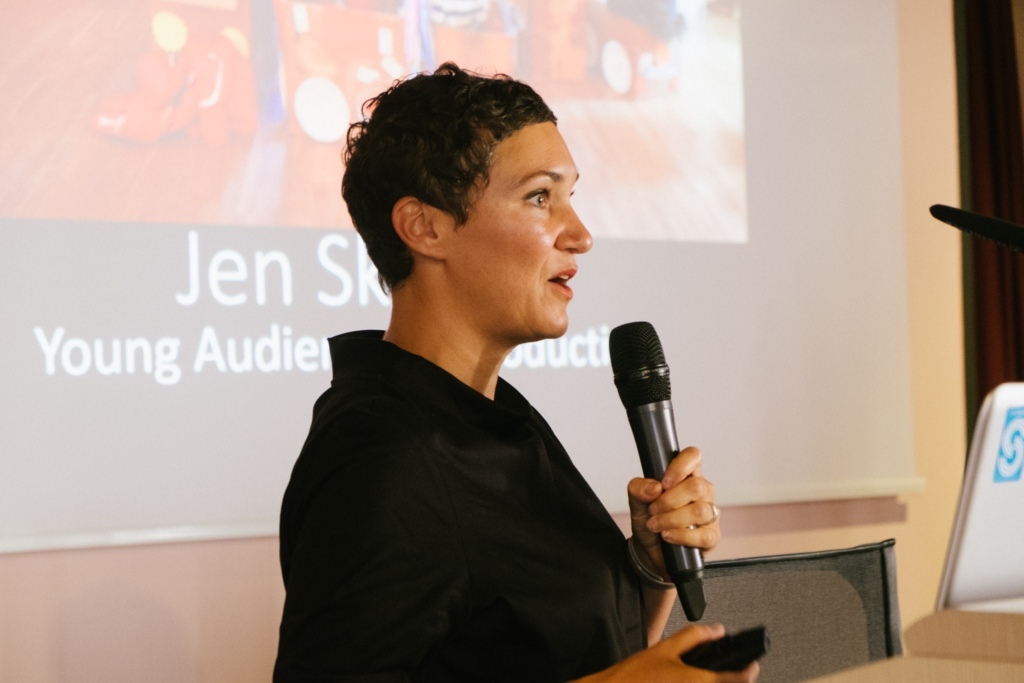
Meet Sea Change Film Festival director, Screen Argyll Programme Manager – and Tiree resident – Jen Skinner. Jen is all about bringing people together through film, especially in rural communities with no cinema nearby. She is also passionate about powering all women and non-binary people who are still under-represented in our screen industries.
A life-long lover of film, Jen has over 25 years’ experience in film exhibition – including managing Hebden Bridge Picture House and developing the film education programme at the National Media Museum. Jen and her family relocated to the Isle of Tiree a decade ago, from where Jen now heads up film, festival and education programming at Screen Argyll.
Jen and the Screen Argyll team share the magic of movies year round through workshops with schools and community cinema screenings across Argyll and the Isles. She programmes the annual Sea Change Film Festival inviting film fans, makers, exhibitors and distributors alike to the Isle of Tiree to experience films, explore ideas, develop skills and discover landscapes together.
How did it all begin?
Jen believes we are stronger together and has dedicated her life to creating fruitful connections and collaborations, whether in her own local community or the wider sector. In December 2015, Jen started Screen Tiree which became a community cinema in September 2016.
“I’ve always loved Tiree and I’ve always loved cinema. So it was amazing to be able to bring those two things together in my work. We had the opportunity to relocate my family to my grandparents’ house on Tiree. My husband Jack’s also an animation and film practitioner. So once here, we continued working freelance and began to grow Screen Tiree. At first we focussed our offer here on the island – mainly through the support of Into Film, which helped usdevelop our screen exhibition and education work.”
Screen Argyll grew from the success of Screen Tiree, and now supports and nurtures cinema and film activity across Argyll and Bute. The team at Screen Argyll are themselves based in island or rural places, deeply understanding and caring about the communities they live and work in. Screen Argyll uses film to connect remote communities and helps rural venues to engage with the widest audiences they can.
We now support a network of cinemas across Argyll and the Isles, run education programmes and produce a festival and development lab.
Reaching even farther, as an Industry Advisor for the Independent CinemaOffice’s FAN Training Development Group Jen helps other organisations to develop and engage audiences for film.
As well as her passion and advocacy for film, Jen is a co-founder of Tiree Makery – an artist-led social enterprise which delivers creative activity in their workshop and gallery space. She also sits on the steering group for CHArts (Culture Heritage & Arts), a charity fostering collaborative working, creating events and supporting small creative business across Argyll and the Isles.
Why Sea Change?
Jen set up Sea Change in 2019 to take positive action against the consistent underrepresentation of women in screen industries by showcasing films made by – and making space for professional development of – women in film. Jen also recognised a similar underrepresentation in Tiree, home to one of the last remaining Gaelic, native-speaking communities, and a community often considered remote (by other people, not the islanders). Sea Change was created as a celebration of finding community in both the things that unite us and that might make us unique.
Sea Change is Scotland’s only annual festival dedicated to powering women and non-binary people in film. The annual festival and biannual development lab not only introduce audiences to new films, but also build community through the talks, walks, swims, meals and space shared in Tiree’s extraordinary environment.
“By showing different lives on screen, sharing ideas or just escaping, it’s such a magical thing to do on our beautiful island.”
With Sea Change, Jen wants to give people space to experience film differently – where they can walk out of a screening an into an infinite horizon or share a sea dip and chat with people they might normally never meet.
“There’s something about being in the water and under a big sky. You talk more openly in the water and share.”
Through Sea Change’s biannual development Lab, Jen and a steering group of Lab Alumni create a dedicated space for women and non-binary people in the screen industries to develop professionally and personally. Jen created the Lab in response to a need for women and non-binary people working in our screen industries to coalesce.
I could see a gap in the industry where women need to be supported across exhibition, distribution and production.
Sea Change Development Lab has gone on to gain respect and success, now with a regular waiting list for places. Recent participants reflected that:
• “The Lab was an extraordinary learning and development experience that provided me with connection, clarity and confidence all of which will stay with me forever.”
• “Sea Change was a truly magical experience and the best CPD I’ve ever participated in, thanks to the team for making it inclusive & fun!”
• “A perfect mix of self-development and being grounded in nature thanks to swimming in the sea, foraging seaweed and observe the sun setting.”
Sea Change brings world class films and filmmakers from across the globe to Tiree each September. Throughout the year, a touring programme of festival films visits community cinemas in other island and rural communities Online sessions offer women and non-binary people space to learn and connect.
Interview: HippFest Director, Alison Strauss
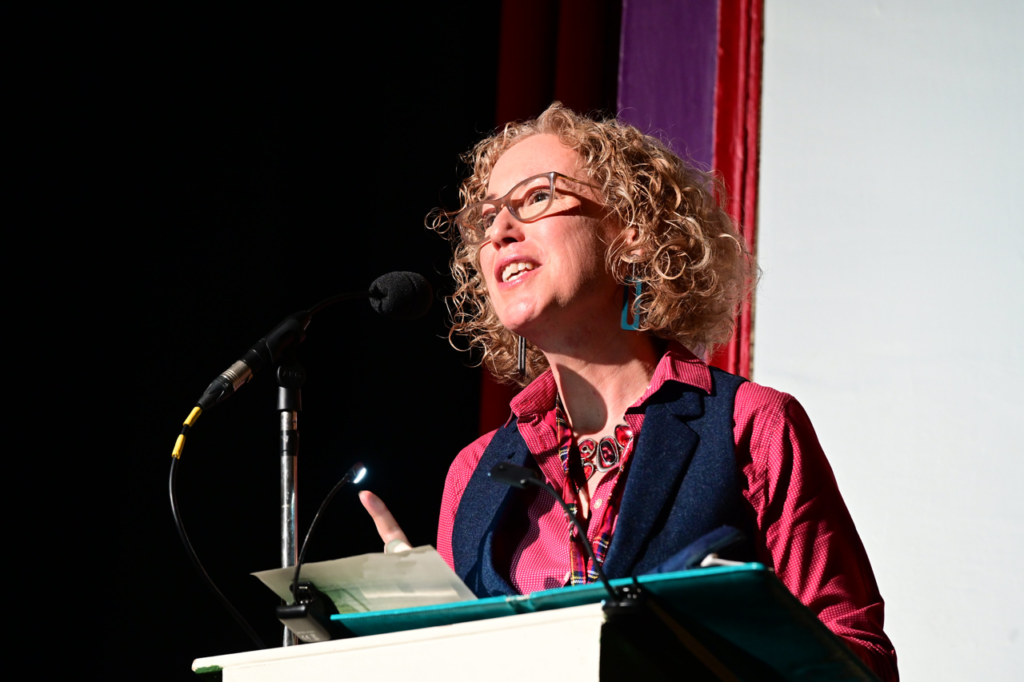
We recently caught up with Director of HippFest Silent Film Festival, to hear about her role in cinema and how she came across our opening night film ‘The Rugged Island: A Shetland Lyric”. This powerful film will screen at this year’s Sea Change Film Festival with a live accompaniment of a new music score from award-winning Fair Isle multi-instrumentalist Inge Thomson, with Shetland-born Catriona Macdonald – considered one of the world’s leading traditional fiddle players.
How did you come across The Rugged Island: A Shetland Lyric?
As the artistic director of Scotland’s silent film festival, HippFest I’m always on the lookout for Scottish stories and Scottish creatives from cinema’s silent era. I was lucky enough to see this beautiful film about Shetland crofting life at the British Silent Film Festival in Leicester in 2017. Jenny Gilbertson made the film on the cusp of the transition to sound and was persuaded her work would have more chance of commercial success if she released a follow up sound version with voice-over narration and a synchronised score.
I’m always on the lookout for Scottish stories and Scottish creatives from cinema’s silent era.
Jenny worked hard to raise the money for this, and was proud of the music commission, but for me some of the charm and authenticity was lost in the talkie version – not least because the voice-over replaced the local dialect of the intertitles and was a man’s 1930s-BBC-style Received Pronunciation accent. The Gilbertson family have been keen to honour Jenny’s artistic intentions but gave their consent for a new musical interpretation to be created so that new audiences could discover the silent version – in a nod to the way the film might first have been experienced.
With the family’s blessing I was able to approach Inge Thomson – herself from Fair Isle – with the invitation to create the new music. Inge’s resulting composition, with fellow Shetland musician Catriona Macdonald, is perfectly in sympathy with the film, and I’m sure Jenny would be gladdened to know her extraordinary work has been brought to new life in this way.
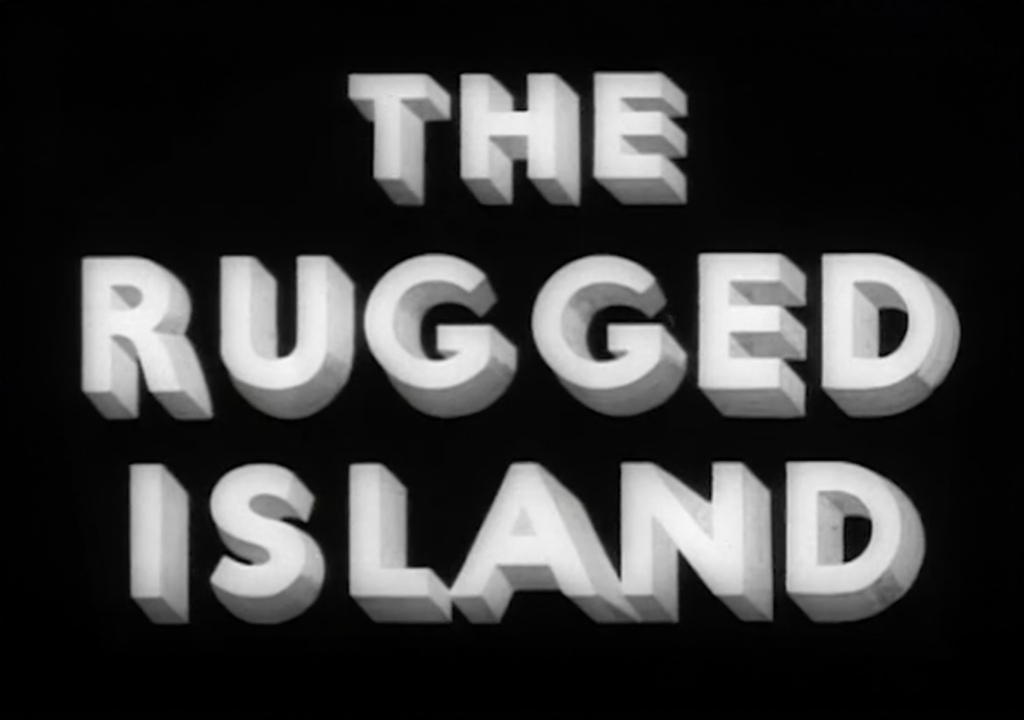
How did Jenny Gilbertson come to make The Rugged Island: A Shetland Lyric?
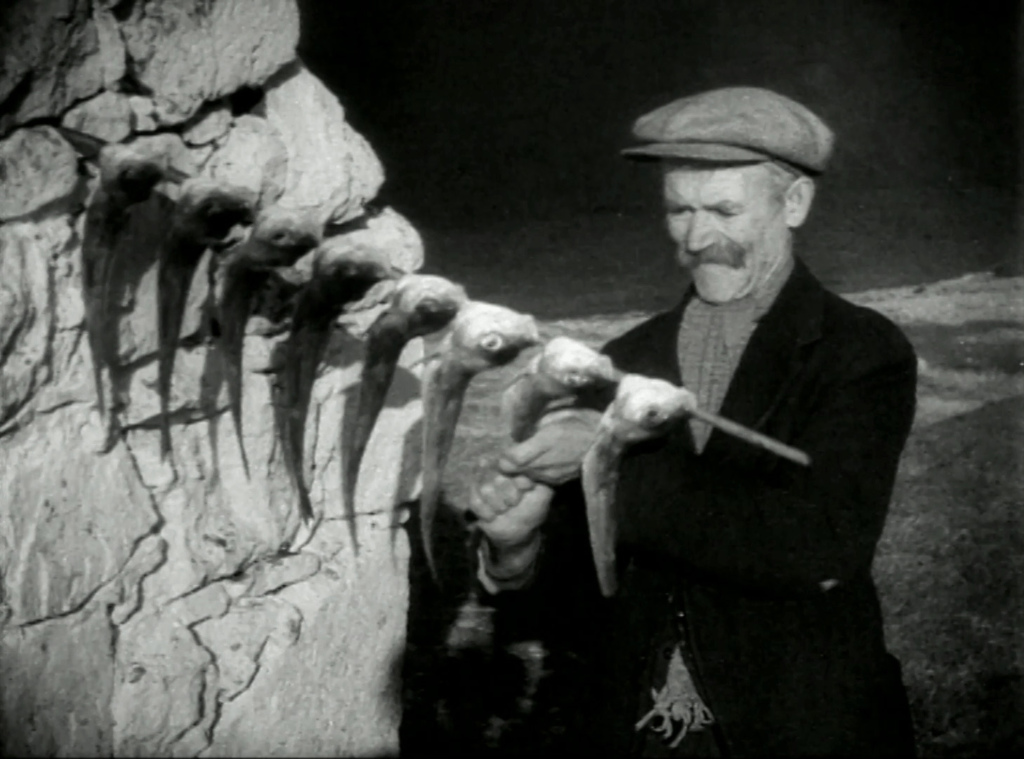
Jenny (nee Brown), was newly graduated from teacher training college and determined not to be constrained by society’s expectations at the time. She arrived on Shetland in 1930 to stay with crofter friends with whom she had holidayed as child, with her prized new possession – a second hand 16mm camera. The film she shot of their lives over the ensuing 12 months so impressed John Grierson – the pioneer of the documentary film in Britain – that he encouraged Jenny to return to Shetland and to make more films – but on 35mm film this time. Grierson purchased her short films for the GPO Film Library where they were distributed alongside celebrated classics like NIGHT MAIL.
It was John Grierson who encouraged her to try a documentary but with a story running through it and in 1933 she embarked on the project that became The Rugged Island – a simple story of young couple torn between the promise of a new life in Australia and duty to stay and look after ageing parents. Very relatable today, of course!
Jenny planned, directed, shot and edited the film largely by herself using local crofters, her friends, as her actors. The magazine in her 35mm handheld EYEMO camera was tiny and took just 100 feet of film… each spool lasting just over 1 minute! Something to think about when you watch her films.
How did the film survive?
The fact that The Rugged Island survives at all is thanks in large part to the work of another amazing woman: Janet McBain. Janet was recruited in 1976 to catalogue a jumbled collection of films housed in a shed behind the Scottish Film Council headquarters in Glasgow. From these modest beginnings Janet grew a film archive for Scotland, seeking out film donations from across the land and leading the organisation for 35 years until retiring in 2011.
Janet met Jenny in the late 70s by which time Jenny had reignited her passion for filmmaking with a series of ethnographic projects in Arctic Canada. In the knowledge that her old nitrate stock was flammable, Jenny stored her footage for safe-keeping in an old hen house. Janet encouraged Jenny to donate her work to the Archive for preservation and decades later, in 1997 the archive set out to undertook a detailed inspection of the contents of the hen house, committing to restoring and re-printing The Rugged Island. It was only then that they became aware that there were two versions of the film.
Janet McBain is truly one of film archiving’s heroes not just in Scotland but internationally, and I am deeply grateful to her for being kind and encouraging to me when developing this commission and also when I was just starting out as a wet-behind-the-ears trainee film archivist 30 years ago.
Why do festivals like Sea Change matter to you?
Jen’s work as the founder of Screen Tiree, and the subsequent development of Screen Argyll is hugely inspirational. Not just because we share a ‘femme-centric’ approach to programming, shining a light on unsung women in the cinema industry. In my role as programmer year-round of the Hippodrome in Bo’ness and founding director of HippFest it’s so encouraging to see what can be achieved in terms of growing a community around film outside the usual urban centres, as well as attracting visitors to travel to it.
People perceive travelling from Edinburgh and Glasgow to Bo’ness as a barrier but if you can persuade people to get on a ferry or a plane to come to your festival, then we can persuade people to take a train and a bus. Making the festival and the programme really relevant to and owned by the local community is at the heart of what we do too and I’m keen to immerse myself so I can learn more about how Sea Change has been taken into people’s hearts on the island.
If you’ve enjoyed reading about The Rugged Island: A Shetland Lyric, why not come along to Sea Change to see it for yourself?